
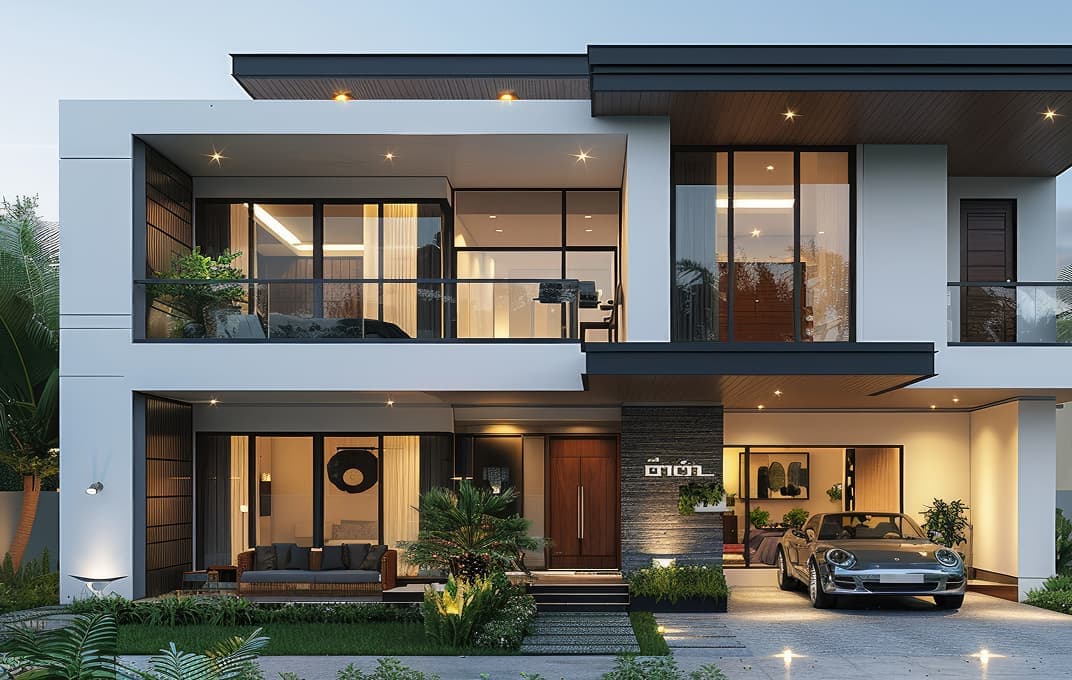
The future of city living and its influence on architectural design
As cities grow denser and lifestyles evolve, architects and urban planners are rethinking the fundamental principles of city living. The post-pandemic shift toward remote and hybrid work has accelerated demand for multi-functional spaces that blur the boundary between home, office, and community hub.
Mixed-use developments — combining residential units with co-working spaces, retail, and green areas — are becoming the blueprint for new urban districts. Cities like Amsterdam, Singapore, and Copenhagen are leading the way in demonstrating how thoughtful design can improve quality of life while reducing environmental footprints.
Micro-apartments with flexible furniture systems are gaining traction among young professionals who prioritise location and amenity over floor space. Meanwhile, vertical gardens and rooftop farms are bringing nature back into the concrete jungle.
The future of city living will be defined by adaptability, sustainability, and a renewed focus on human-centred design — buildings and neighbourhoods that respond to the way people actually live.